Independent agency · Licensed in 48 states

Drywall Business Insurance

Hanging, taping and finishing, repair, plaster and acoustical ceilings: drywall work goes wrong in its own ways. We insure the drywall contractors and drywallers who do it — residential and commercial, new construction and remodeling — with markets that write the trade on purpose.

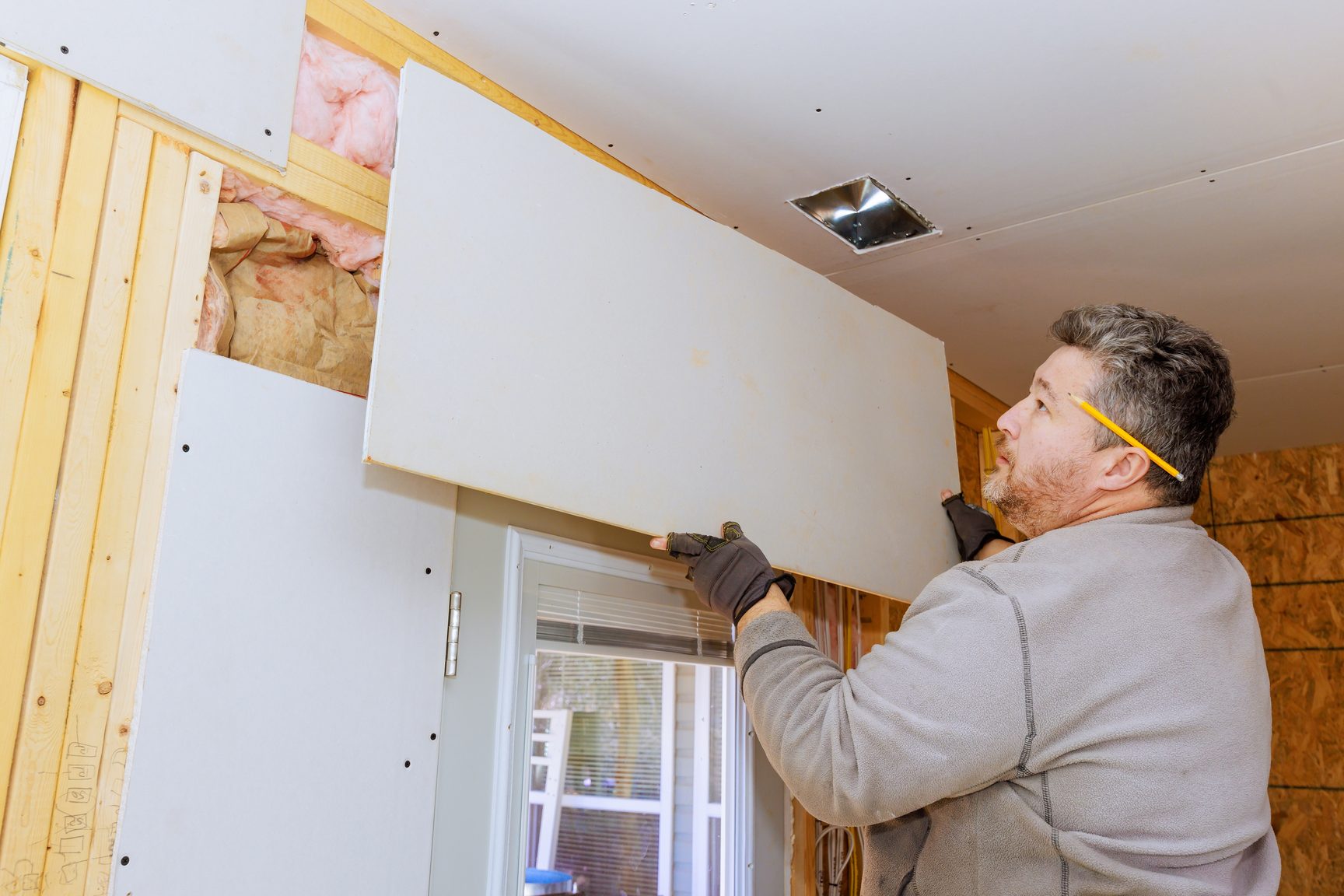
A worker in safety glasses and gloves lifts a drywall sheet into place above a window, with wall framing and insulation still open beside it.
50+ Drywall Businesses Insured
48 States Licensed
28 Specialty Markets
6 Core Coverages

The drywall work we insure

Residential and commercial jobs ask different questions of an underwriter, even when the crew and the board are the same. The drywall contractor insurance program ties them together.

Occupied homes and finished rooms

Residential Drywall Contractor Insurance

Residential hanging, taping and finishing happen inside somebody’s home, in new construction and remodeling alike, often around floors, cabinets and trim that were finished before the crew arrived. The claims that follow are about dust and damage to what was already there, and about a seam or crack the homeowner calls back on after the paint goes on.

Other trades, schedules and contract terms

Commercial Drywall Contractor Insurance

Commercial work — metal-stud framing, board, taping, plaster and acoustical ceilings — runs on a general contractor’s schedule beside other trades in the same building. The exposure is the shared jobsite and the paperwork that comes with it: certificates, additional insured requests and waivers asked for before anyone starts.

What a drywall insurance program is made of

Six coverages, in the order they usually come up for a drywall business.

General Liability

Injury to people who do not work for you and damage to property that is not yours, during the job and after the work is finished.

When a piece-rate or subcontracted hanging or taping crew causes the damage, this policy is often where the claim lands — which is why their certificate matters before they start.

Workers’ Compensation

Benefits for your own employees hurt on the job, and the employer’s liability that sits beside them.

If that same crew carries no insurance of its own, the audit at the end of the policy year can add what you paid them to your payroll.

Commercial Auto

The vans and trucks that carry crews, board and tools between the shop, the supplier and the job.

Umbrella Liability

Extra liability limits that sit above the general liability, auto and employer’s liability policies.

Questions drywall business owners ask

Do you insure drywallers who work alone, or only companies with crews?

Both. A one-person drywaller and a company running several hanging and finishing crews are underwritten differently, but they need the same core pieces: liability for the work, coverage for the tools and, once there are employees, workers’ compensation.

I pay hangers and tapers by the piece or as subcontractors. Does my insurance cover them?

It depends on whether they carry their own liability and workers’ compensation. Where they do not, your general liability may end up answering for their work, and your workers’ compensation audit may add what you paid them to your payroll. Collecting their certificates before the job starts is the habit that prevents both.

A seam cracked or a customer called us back after the paint went on. Is that covered?

That is a completed-work question on the general liability policy, and the answer turns on what failed and why. Damage to your own work is treated differently from damage your work caused to other property, which is why callbacks are read closely.

Are my tools and lifts covered when they are in the van?

Tools and equipment are usually insured on an inland marine tools and equipment policy rather than on the auto policy, and many forms set conditions for theft from an unattended vehicle. We go through those conditions with you before a loss, not after.

A general contractor wants a certificate before we start. Can you help?

Yes. We issue certificates of insurance and can add a general contractor as an additional insured where the policy allows it. Send us what the contract asks for and we will check it against your policy before you sign.

Do you publish typical rates?

Premium depends on payroll, subcontracted work, vehicles, tool and equipment values, the work you take and the states you take it in. We do not publish typical rates because there is no such thing as a typical drywall contractor.

How do you decide which insurance company sees my account?

By where the appetite is for your state, your payroll, the mix of residential and commercial work and your loss history. Appetite is not the same everywhere and it changes, which is why the panel below is reviewed rather than fixed.

Who we are, and how we place this work

Drywall Business Insurance is a brand of Wexford Insurance, LLC, an independent agency licensed in 48 states. Independent means no single insurance company owns the answer — we place the account where the appetite is.

Our drywall panel is 28 carrier markets we hold appointments with, all quoting the class today: West Bend Insurance Company, Goodville Mutual, UFG, SECURA, Grand River Insurance, Liberty Mutual, Travelers Insurance, The Hartford, Brickyard Insurance Company, AMERISAFE, Texas Mutual, SFM Mutual, Hastings Insurance, Cincinnati Insurance, CNA, AmTrust, Encova, Donegal Insurance Group, Frank Winston Crum, ICW Group, Markel, NEXT Insurance, Ohio Mutual, Pie Insurance, Progressive Commercial, GEICO, THREE by Berkshire Hathaway and Westfield Insurance.

That list is reviewed quarterly and adjusted when a carrier’s appetite shifts.

Wexford Insurance, LLC is a licensed independent insurance agency, NPN 19887690. You can verify our licensing at NIPR.com.

Tell us what your crews hang, tape and finish

A licensed agent reads every submission and comes back with what the markets will do.